

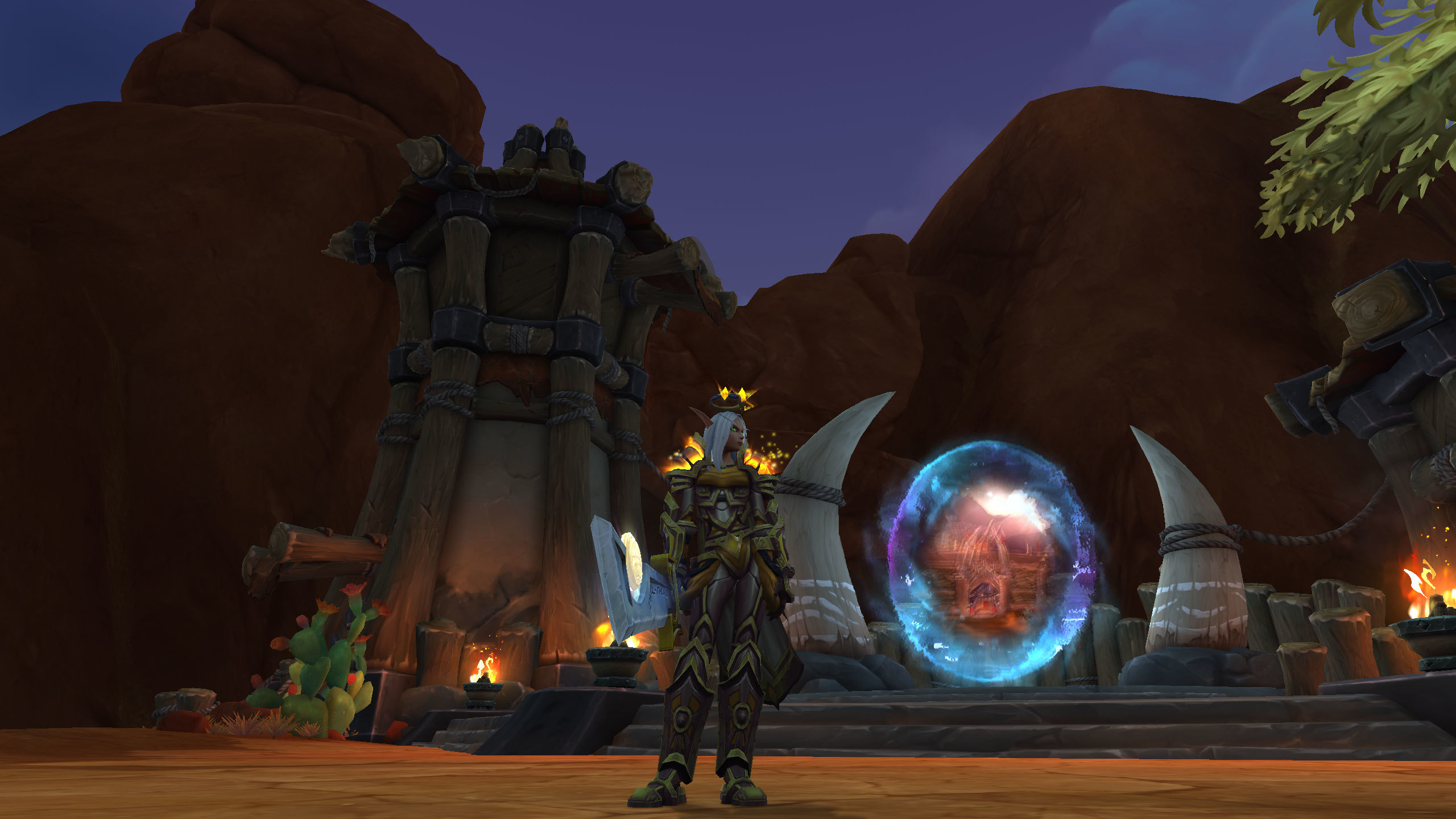
Blizzard’s raid environments are more than combat arenas—they are immersive spaces crafted to influence pacing, atmosphere, emotional tone, and player engagement. Every corridor, platform, and room contributes to the overall rhythm of the raid, guiding players through narrative tension and mechanical escalation. These environments act as silent storytellers, shaping how players feel as they progress toward each boss.
This article explores the design philosophy behind raid environments, how they influence player emotions, and why these spaces remain some of the most memorable landscapes in WoW.
Setting the Tone Through Architecture
The architecture of a raid establishes its first emotional impression. Sharp angular structures, heavy shadows, and metallic corridors create tension and hostility. By contrast, open halls filled with light or ancient ruins marked by erosion create feelings of history, mystery, or looming grandeur. These design choices prepare players emotionally before the first pull even begins.
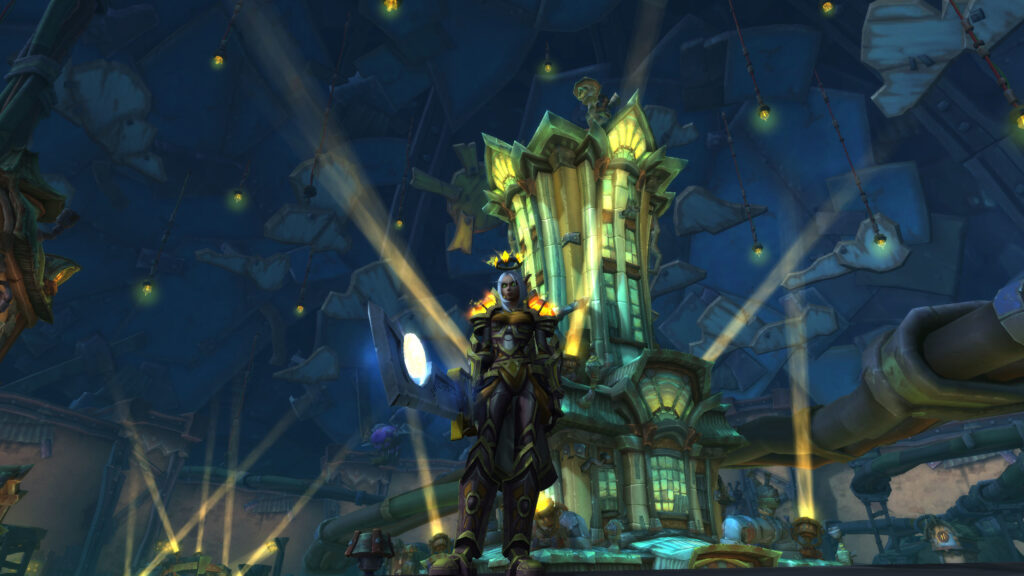
For example, raids centered on demonic themes use jagged shapes and unnatural lighting to convey corruption. Raids focused on titan technology rely on symmetry and polished surfaces that reflect order and precision. This visual language tells the story long before players see a boss or read a line of dialogue.
Environmental Cues That Shape Player Momentum
Raid progression depends heavily on pacing. Blizzard carefully orchestrates transitions between encounters using corridors, bridges, elevators, and shifting scenery that build anticipation. These intermissions act as breathers after intense fights, allowing players to reset mentally before the next challenge.
Some raids use upward progression to symbolize rising tension, while others take players deeper underground to evoke dread or claustrophobia. This physical movement through space is a subtle but effective tool that guides emotional momentum.
- Long winding paths build suspense for major boss reveals.
- Sudden arena openings create dramatic scale changes.
- Elevators and transitions reset pacing between encounters.
- Environmental hazards heighten tension even outside combat.
Visual Storytelling Across Boss Rooms
Each boss room is designed to reinforce the identity of the encounter. This includes platform shape, lighting, environmental effects, and background elements that tell a story even before combat begins. A corrupted druid boss may fight in a twisted grove, while a titan guardian faces players amid glowing conduits and runic machinery.
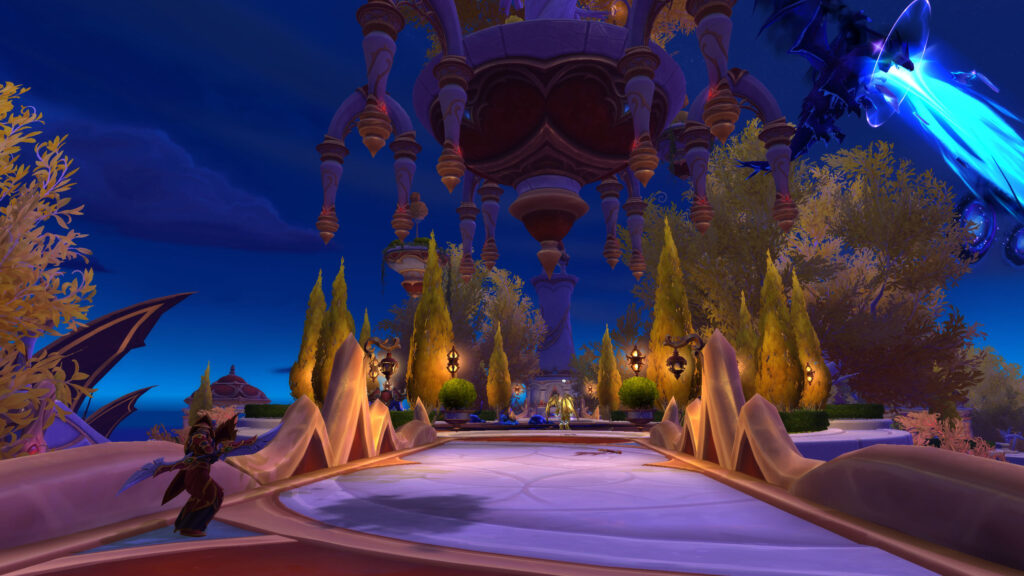
Small visual details—scorch marks, broken machinery, lingering shadows—reveal what happened before players arrived. These elements create continuity, helping each boss feel like part of a larger narrative tapestry rather than an isolated fight.
The Use of Scale and Verticality
Blizzard uses scale to evoke awe or intimidation. Massive halls, towering pillars, and distant silhouettes remind players of the power of the raid’s inhabitants. Verticality also affects gameplay, especially when players look down from great heights or ascend toward a final confrontation. These shifts create momentum, making players feel like they are progressing toward something significant.
Raids that feature expansive skyboxes or sweeping landscapes create a feeling of epic scale, while tight chambers with oppressive ceilings build tension and claustrophobia.
| Design Element | Emotional Impact | Example Effect |
|---|---|---|
| Open Platforms | Awe, freedom | Skybox vistas before final bosses |
| Enclosed Corridors | Pressure, urgency | Narrow hallways filled with mobs |
| Vertical Drops | Danger, anticipation | Falling into the depths before a boss |
How Sound Design and Lighting Complete the Experience
No raid environment feels complete without cohesive lighting and sound cues. Music shifts subtly as players progress, rising during boss introductions and becoming ambient during exploration. Lighting directs attention, hides danger, or highlights dramatic features such as statues, platforms, or magical anomalies.
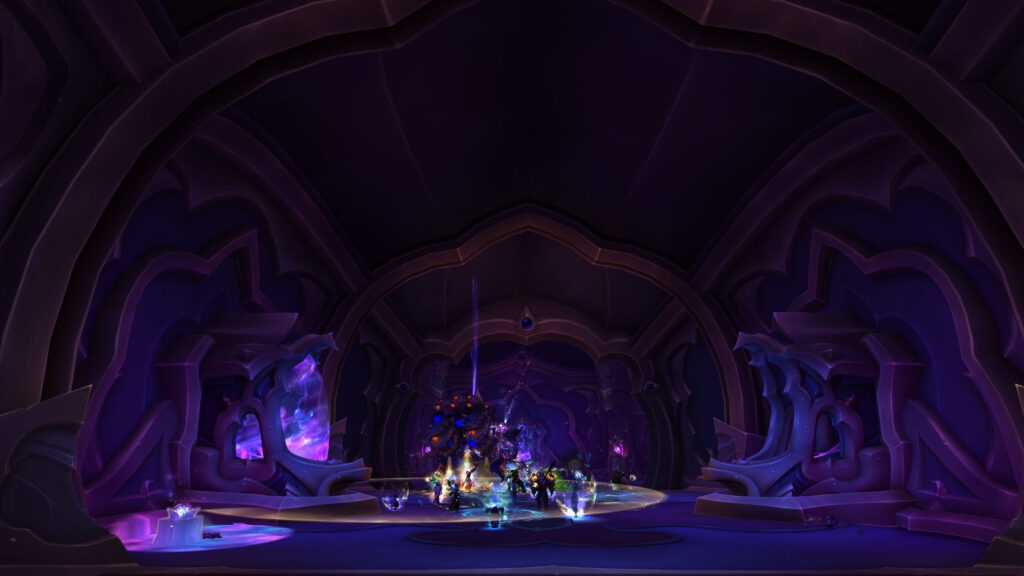
These choices create emotional arcs throughout the raid—from tension at the start, to exhilaration during key fights, to catharsis at the final boss. Sound and lighting ensure each environment feels like a living part of the narrative.
Conclusion
Blizzard’s raid environments are crafted with intentional detail, blending architecture, lighting, pacing, sound, and visual storytelling to shape how players feel throughout their journey. These spaces elevate encounters beyond simple combat challenges, turning each raid into an emotional experience defined by momentum, atmosphere, and narrative depth.
Whether players are climbing titan towers, descending into ancient ruins, or crossing corrupted landscapes, raid environments remain powerful tools that guide emotions, build anticipation, and create unforgettable memories within Azeroth.