Master World of Warcraft with Expert Guides, Tips, and Lore from Monster-Halo
Discover in-depth strategies, class guides, and lore insights to enhance your World of Warcraft experience, crafted by long-time player Lucas Elliott.
Stay Ahead of the Game
Get the latest updates and insights on new expansions, patches, and in-game events to keep your WoW experience current and competitive.
Personalized Gaming Tips
Benefit from Lucas’s hands-on experience with tailored advice that suits casual gamers, hardcore raiders, and everything in between.
Engaging & Honest Reviews
Find unbiased reviews of in-game content, gear, and strategies, helping you make informed decisions for your adventures in Azeroth.
Explore the World of Warcraft Like Never Before
Step into the heart of Azeroth with expert tips, in-depth guides, and immersive stories that enhance your World of Warcraft journey. Whether you’re mastering the latest raid, optimizing your character, or delving into the game’s rich lore, Lucas Elliott’s blog offers everything you need to elevate your gameplay. Join a community of passionate players and stay informed on every aspect of WoW.
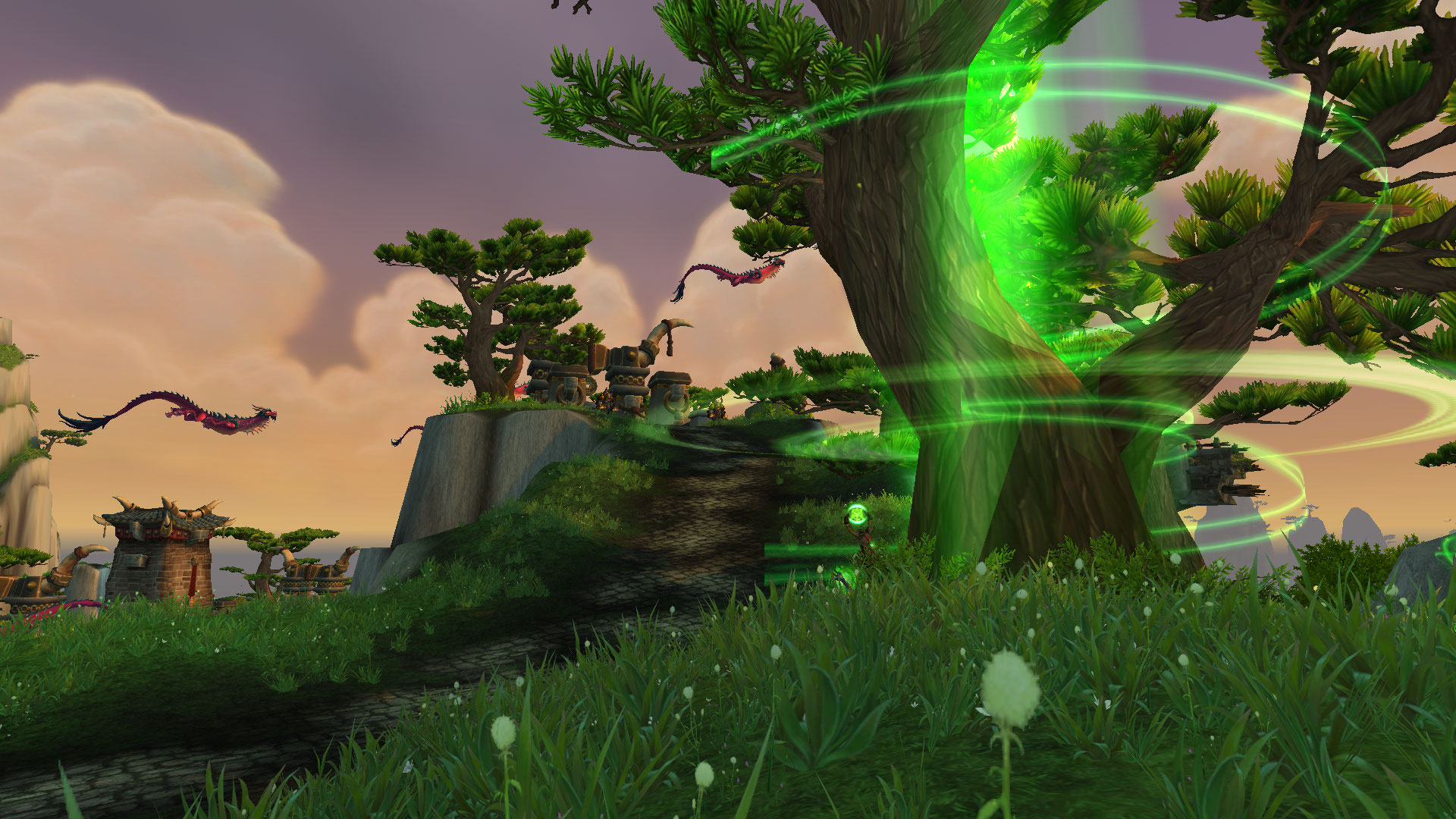
The Timeless Isle in World of Warcraft: Mists of Pandaria is renowned for its unique rare spawns that offer valuable loot and resources. Players seeking to maximize their efficiency can benefit greatly from establishing daily loot routes. This guide will provide an in-depth analysis of the rare spawns, optimal routes, and strategies to enhance your…
The Frustration of Public Raid Groups Every player knows the feeling of joining a public raid group only to realize within the first few minutes that the run is doomed to fail. You spend an hour just waiting for the group to fill, only to watch as people leave after the first boss wipe. This…
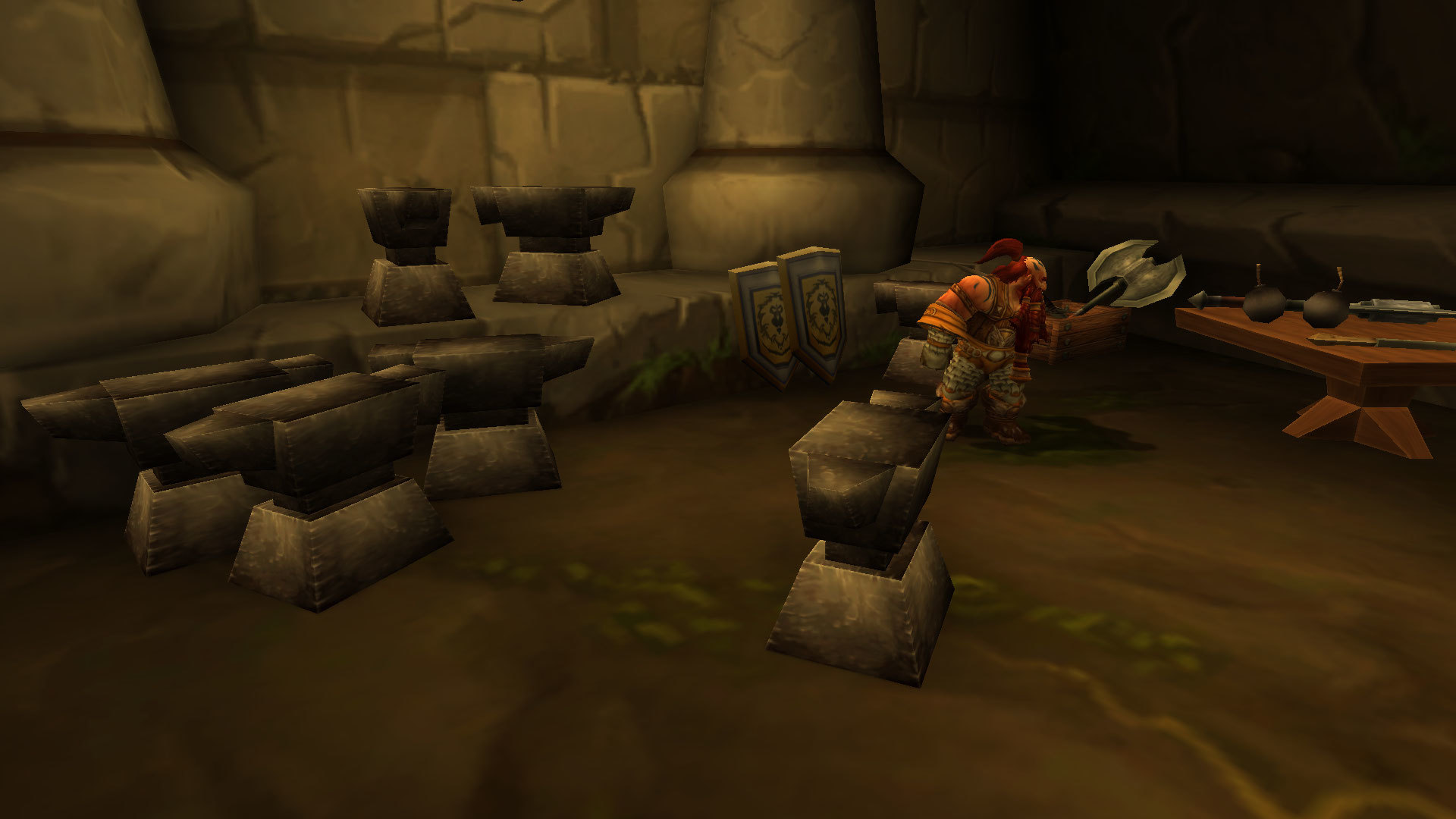
Blacksmithing is one of the most lucrative professions in World of Warcraft, offering players the opportunity to craft powerful gear and valuable items. Among the vast array of blacksmithing plans, there are certain hard-to-get recipes that can significantly enhance your gold-making potential. This guide will explore the most sought-after blacksmithing plans, detailing where to find…
Modern WoW has shifted dramatically towards account-wide systems. This change respects player time and encourages alt play. This analysis examines why account-wide progression benefits everyone. Old System Problems Classic WoW required repeating everything on each character. Reputation grinds, attunements, and achievements were per-character only. This design punished players with multiple alts. Player time was disrespected…
Earning Your Place at the Top Every player watches the server elite with a sense of wonder. These are the people who have the newest gear, the rarest titles, and the high damage numbers that everyone talks about. When a new raid like the Voidspire launches, this group of players is the first to reach…
Mastering interrupt coordination in World of Warcraft is the single most important progression path for surviving Mythic Plus. In a system where a single missed “Greater Fireball” or “Shadow Bolt” can delete a teammate, the responsibility for interrupting cannot be left to chance. For players aiming to succeed in the chaotic world of “Pugging” (random…
A raid boost helps you clear the toughest boss fights with guidance and teamwork support. Instead of spending hours learning each encounter and building a group, you join a session where experienced players lead the tactics. This method gives you a chance to see top-level strategies in action, learn the right timing for abilities, and witness how to position characters for optimal performance. By observing a smooth run, you gain a sense of how mechanics play out in real time. Once the fight ends, you have firsthand knowledge of fight phases and boss abilities, making future attempts feel more familiar.
Joining a raid boost is also a way to stay engaged with new raid releases. After a major content update, the window for fresh rewards can be limited, and learning all the boss fights by trial and error takes time. A boost session lets you jump into the newest encounters quickly, so you can take part in endgame challenges with your friends. This social aspect—playing together with a focused team—adds fun and a feeling of achievement. Instead of getting stuck on a single boss, you move from start to finish in one session. The clear structure, from pull to kill, shows you step by step how a full raid works. At the end, you have the boss kill, any loot or achievement you wanted, and a clear idea of what to practice next.
With a raid boost, you balance learning with action. You see advanced playstyles, refine your own approach, and finish content faster. This method keeps the game fresh, especially when you have limited time. By taking part in a guided run, you build both skill and confidence, ready for more solo or group play down the line.
How a Raid Boost Works
A typical raid boost session starts with an invite to a special group set up for the boss fight. You log in at the agreed time and join the team on voice chat or text channels. The lead player shares instructions on which addons or UI layouts help track boss abilities and timers. If you already have key addons installed, you simply load the settings the leader provides. Next, the team runs any required prep content, such as trash mobs in the raid or quick buffs, to reach the boss area. Once at the boss, the boost leader gives a brief overview of phases, safe zones, and critical cooldowns.
During each pull, you follow clear call-outs. The leader might say “stack here,” “move out,” or “use defensive cooldown” to guide your actions. You respond by casting abilities or repositioning as instructed. If you miss a call-out or are unsure, you ask for clarification and then continue. The goal is to keep each pull focused and efficient, learning key timings rather than experimenting on your own. The team typically runs multiple pulls, refining strategy after each try until the boss falls. Throughout, you see how top players handle damage mitigation, resource management, and movement.
Once the boss is down, you watch as loot and achievement pop up on screen. The leader may share a combat log link so you can review details later. This link gives you access to damage charts, healing done, and ability usage, helping you spot areas to improve. The entire session usually takes one to two hours, depending on boss difficulty and group coordination. By the end, you have a completed kill, any rewards you wanted, and a clear sense of fight flow for solo practice.
Benefits of a Raid Boost
A key benefit of a raid boost is the time you save on trial runs. Instead of spending dozens of hours learning each boss phase one by one, you witness the full fight from start to finish under expert direction. This direct exposure to advanced tactics helps you pinpoint which mechanics matter most for success. Armed with this information, you can practice specific steps on your own, shortening the learning curve. The result is that you reach a level of familiarity much faster than you would by solo attempts.
Another advantage is access to high-end gear and titles without delay. Completing a boss kill often unlocks unique rewards that boost your character’s performance. Even if you plan to aim for solo runs later, obtaining that gear now makes future fights more manageable. You also earn achievements tied to the boss kill, which appear on your profile and boost your in-game standing. This recognition can lead to invites to guilds or friendly groups, opening more opportunities for group play.
Finally, a boost session builds confidence. Seeing the fight done cleanly shows that the encounter is within reach. You learn when to use defensive abilities, how to time interrupts, and where to stand to avoid damage. By experiencing successful pulls, you carry a mental map of the fight into future runs. This can turn frustration into motivation, as you know what to focus on in practice. Over time, these gains add up, helping you master both that boss and other encounters in the raid.
Picking the Right Raid and Boss
Choosing the right raid and boss ensures you spend your boost session on the encounter that matters most to you. Each raid tier in an expansion features a series of bosses, but most players aim for the final boss for its top rewards—mounts, titles, or unique gear. Mid-tier bosses often drop strong upgrades that can help bridge the gap to later fights. Your current item level and the specific reward you want should guide your choice. If your gear is already on par, go for the final boss; if you need upgrades first, target the middle encounters.
Here’s a quick overview of recent raid tiers, their final boss, and the standout reward you can expect:
Raid Tier
Final Boss
Highlight Reward
Castle Nathria
Sylvanas Windrunner
Mount: Hateful Eye
Sanctum of Domination
The Jailer
Title: Maw Walker
Sepulcher of the First Ones
Vectis
Achievement: Stormwarp
Aberrus, the Shadowed Crucible
Echo of Neltharion
Pet: Echo of Neltharion
Use this table to match your boost request with the reward you want. If you already have the final mount from a previous tier, consider a mid-tier boss for gear that helps you in other game modes.
Once you’ve picked the raid, verify that your item level meets the minimum requirement. Boost sessions run faster when your character is near the expected level. Lower-item-level characters can still join, but the run might start with one or two quick pulls on earlier bosses to build up any needed buffs or resources. Confirm which boss the boost covers—some providers offer single-boss kills, while others bundle the entire raid in one session.
Preparing Your Character
Before the session, make sure your character is ready so you don’t hold up the group. A smooth start speeds up each pull and helps you absorb the tactics shown by the booster. Begin with a gear check: equip the highest-item-level pieces available and swap in any specialty gear that boosts your main stats. Next, review your talent build for the raid. If you play multiple specs, pick the one that offers the best mix of damage or healing and survivability.
Gear and Stats: Verify item levels, enchantments, and socket bonuses.
Talents: Load or adjust a raid-focused talent build.
Consumables: Stock up on flasks, potions, food buffs, and runes.
Add-ons: Install boss-tracking add-ons (e.g., Deadly Boss Mods) and load the latest boss module.
Macros and Keybinds: Check any custom macros for interrupts or defensive cooldowns.
Spend a few minutes in a friendly arena or raid finder group to confirm your rotation feels solid. If you discover any gaps—like a missing flask or outdated add-on—fix them before boost day. This prep work ensures you can focus on the boss fight itself, not on troubleshooting gear or settings during the run.
Starting the Boost Session
When your session begins, you join the boost group at the agreed time and jump into voice chat or text chat as directed. The boost leader will share any final reminders, such as which voice channel to use and how to join the raid group in game. If you connect early, you have time to sort any last-minute issues, like downloading a module update or adjusting sound levels.
Login and Invite: Accept the raid invite and verify you see the whole raid group.
UI Check: Confirm you have boss timers, cast bars, and health frames visible.
Buff Prep: Apply flasks, foods, and potions as a group, ensuring everyone starts with full buffs.
Final Briefing: The leader gives a two-minute run-through of key mechanics and safe zones.
First Pull: Begin the fight, following call-outs exactly—move, interrupt, or cooldown use as instructed.
Stay attentive throughout: avoid going AFK, keep an eye on raid frames, and respond immediately to instructions. If you’re unsure at any point, ask a quick question in chat rather than missing a critical mechanic. By following these clear steps, you help maintain group pace, learn the fight effectively, and secure your boss kill within the planned session time.
Tracking Progress
Keeping track of your run helps turn one-time guidance into lasting skill. Most groups share combat log links at the end of each boss kill. You paste that link into a log-viewer website to see charts of damage done, healing output, and ability usage. There, you can spot where you stood out or fell behind. Maybe your interrupts lined up perfectly, but you dropped a defensive ability too early. The logs show exactly when you took damage spikes and how you recovered.
If you prefer offline review, take a few screenshots of your damage meters or healing bars. Save chat transcripts with call-outs or sticky notes on screen to remember key timings. Some boost sessions include screen-share or a quick recorded clip of the final pull. Watching that clip helps you see boss mechanics from your own perspective, rather than just hearing instructions. You can rewind and pause at critical moments, noting where you need to move faster or use your cooldown more effectively.
By tracking progress in these simple ways, you turn a single session into a study tool. You collect data on your performance, compare it to top players, and set specific goals for next time. Over a few runs, you’ll notice patterns: which mechanics give you trouble, when you shine, and how small changes lead to big improvements.
After the Boost
Once the boss lies defeated, take a moment to confirm you received the kill and any rewards. Review the achievement pop-up or mount notification to ensure your character shows the new unlock. If you used a shareable log link, bookmark it for future reference. Then, reflect on what felt smooth and where you hesitated. Write down two or three specific mechanics you want to master—perhaps dodging a ground effect faster, or timing a defensive ability more precisely.
Next, set up a quick practice routine. Enter a raid-finder or normal group to try the same boss on your own or with friends. Focus solely on the mechanic you noted, repeating it until it feels second nature. If you struggle, go back to your combat log or clip and replay that moment. This loop of guided run, review, and solo practice cements the lessons.
Finally, share your experience with peers. Post a brief summary of what you learned in chat or on a forum: “Saw how the boss casts the cone attack—need to move earlier next time.” This reflection helps you process the session and invites tips from others. With the boost behind you, you’re ready to tackle the encounter under your own steam.
Tips for Future Runs
To build on your boost, keep a simple improvement plan. First, choose one boss mechanic per session to sharpen—don’t try to fix everything at once. Use your combat log bookmarks to revisit that specific moment, then practice it in a group or solo trial. Second, refine your interface: add a timer for that mechanic, adjust a keybind for quicker responses, or pin a reminder on your screen.
Third, watch a short video guide or boss breakdown from a top player to see alternate angles on the fight. Pause at the moment you found tricky and compare your movement or cooldown timing. Fourth, join a casual group run for the same boss. Even if it’s not a boost, applying what you learned with teammates builds muscle memory under real conditions.
Finally, track your personal bests. Keep a log of your pull counts—how many tries until the first kill—and aim to reduce that number over time. Celebrate small wins: a near-perfect dodged mechanic or a well-timed interrupt. By focusing on one step at a time, you turn the boost session into a launchpad for lasting skill gains.