
In high-pressure raid and Mythic+ encounters, not all power comes from raw DPS. Offensive Utility Prioritization is the strategic lever that determines when and how non-damage abilities—such as grips, stuns, knockbacks, and resource amplifiers—are used to accelerate kills and stabilize aggressive plays. Teams that master this prioritization achieve Clean Escapes and Kills, while others fall into Prolonged Stressful Fights caused by poor control and inefficient threat management.
This expanded analysis explores the tactical hierarchy of offensive utility, how to stack control for burst execution, and why proactive aggression outperforms reactive play in high-end content.
The Strategic Lever: Turning Control into Damage
Offensive utility transforms control into effective damage. Abilities like Death Grip, Mass Grip, AoE stuns, displacement effects, and raid-wide movement boosts are not simply defensive safety nets—they are multipliers for burst windows and positioning efficiency.
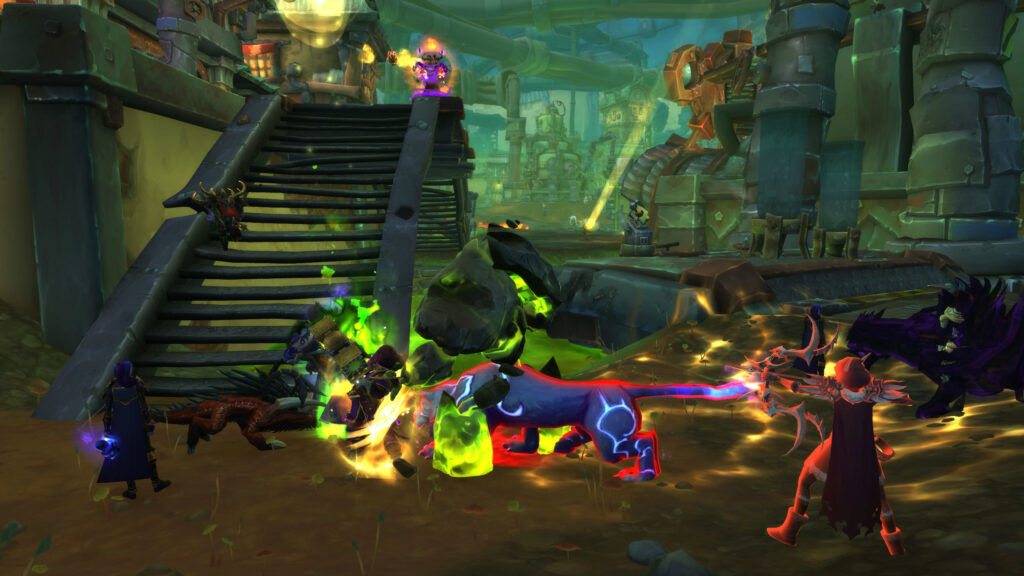
When utility is used to group enemies tightly, neutralize casts during burst phases, or reposition the raid instantly, DPS uptime increases dramatically. The result is faster target elimination and reduced healing strain.
Offensive Utility Hierarchy for Maximum Impact
Utility must be prioritized according to its impact on damage density and threat control:
- Target Consolidation (Highest Impact): Grips and displacement abilities that stack enemies into cleave range. More density equals higher AoE efficiency.
- Mass Control Windows: AoE stuns or incapacitates used at pull start to guarantee uninterrupted burst rotations.
- Mobility Acceleration: Raid movement boosts that prevent downtime and allow aggressive repositioning without DPS loss.
- Resource Sustain Tools: Mana or resource support enabling prolonged aggressive pulls without collapse.
The earlier and more deliberately these tools are deployed, the shorter and cleaner the engagement becomes.
Utility Stacking for Aggression
The most efficient groups use Utility Stacking—layering multiple control tools to manufacture a guaranteed kill window. For example:
- Mass Grip to consolidate 10 mobs.
- Immediate AoE stun for 4–6 seconds.
- Simultaneous major DPS cooldown deployment.
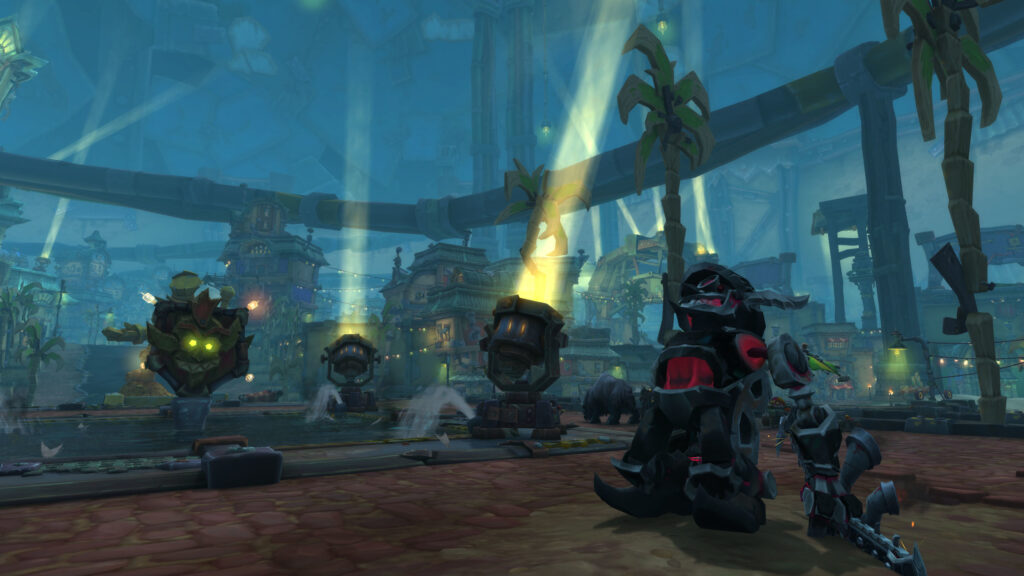
This sequence converts a dangerous mega-pull into a controlled burst scenario. Without stacked utility, mobs scatter, casts complete, and healer stress increases—leading to prolonged, unstable fights.
Aggressive Planning vs Reactive Utility
The key difference between elite and average groups lies in timing. Reactive utility is used after something goes wrong. Offensive prioritization uses utility before danger escalates.
| Utility Scenario | Proactive Offensive Use | Reactive Inefficient Use |
|---|---|---|
| Mass Stun | Used at pull start to enable full burst uptime. | Used late after mobs begin casting. |
| Death Grip | Consolidates priority caster into cleave zone. | Pulls stray mob after healer is already pressured. |
| Knockback | Pushes enemies into environmental hazards. | Disrupts tank positioning mid-fight. |
Reducing Fight Duration Through Control
Every second a fight continues increases healer mana consumption, tank mitigation strain, and risk of execution errors. Offensive Utility Prioritization shortens engagements by maximizing damage efficiency and minimizing chaos.
Clean Escapes and Kills happen when the group dictates the pace. Prolonged Stressful Fights occur when enemies dictate it.
Conclusion
Offensive Utility Prioritization is the strategic lever that elevates encounter control beyond raw damage output. By consolidating targets, stacking control for burst windows, and planning proactive aggression, teams secure clean kills and safe transitions.
Mastery of offensive utility turns high-risk situations into calculated victories and eliminates the instability of prolonged fights.