
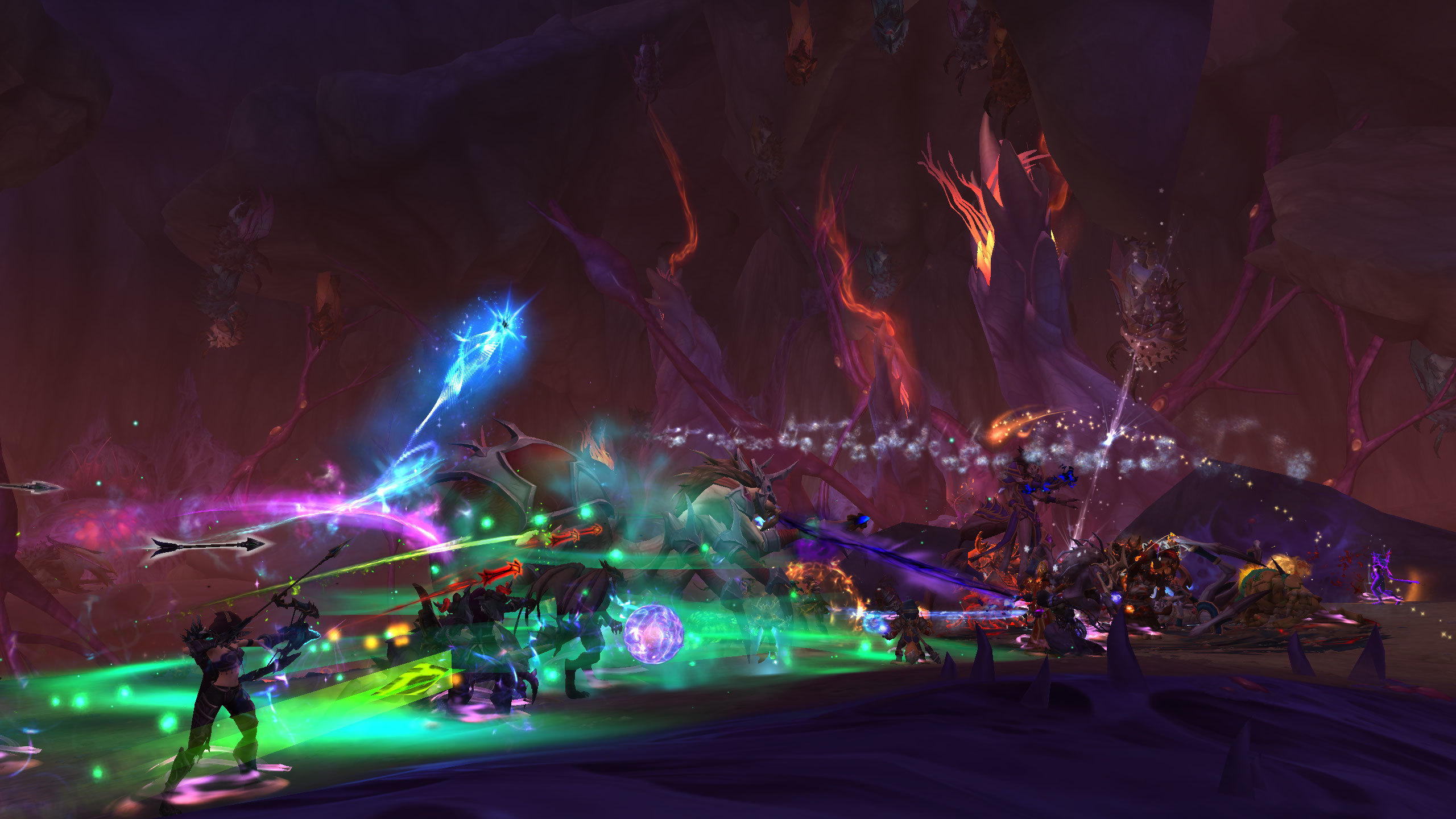
In raid and Mythic+ encounters, add waves often determine success or failure. Tanking Add Aggro Management represents the highest level of Threat Complexity, requiring immediate multi-target control, lethal-priority identification, and flawless positioning. Mastery of this discipline separates tanks who maintain Controlled Containment from those who trigger Chaotic Group Splitting, where loose mobs overwhelm healers, disrupt DPS uptime, and cascade into wipes.
This guide breaks down advanced add threat acquisition techniques, positional control fundamentals, and sustainable aggro strategies that ensure every spawn wave remains stable and killable.
The Nature of Threat Complexity in Add Waves
Add spawns introduce exponential threat scaling. Instead of maintaining a stable single-target rotation, the tank must instantly transition into multi-target threat generation while preserving boss control. During this window, DPS cooldowns are often active, increasing the risk of immediate aggro pulls.
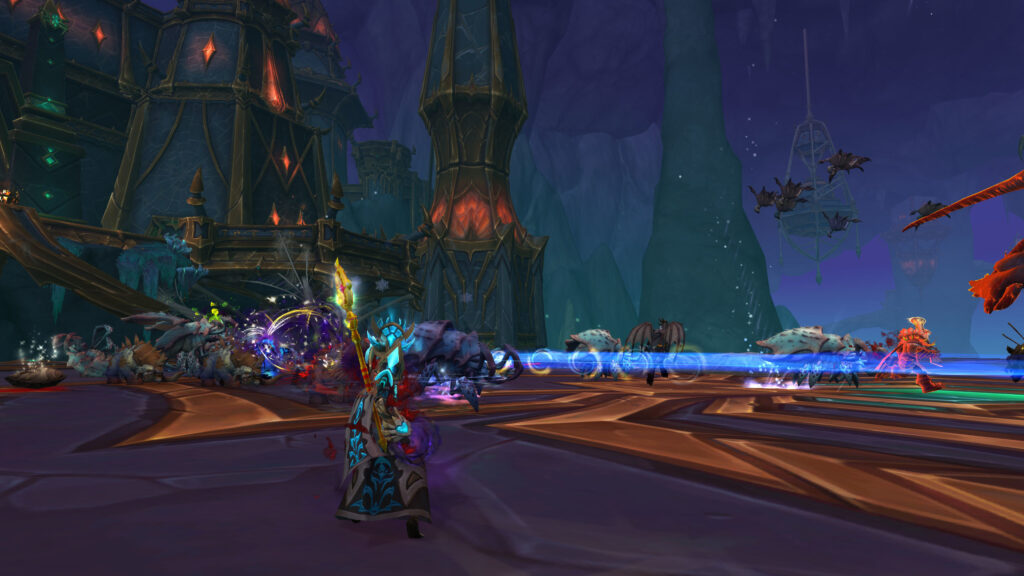
Chaotic Group Splitting typically occurs when one or more adds are not immediately secured. These mobs pursue ranged DPS or healers, spreading positional chaos and forcing inefficient emergency responses.
Advanced Rapid Aggro Acquisition Protocol
Elite tanks follow a structured, repeatable add-control system:
- Spawn Anticipation: Track timers and pre-position near the spawn vector before adds appear.
- Priority Snap Threat: Immediately taunt or ranged-tag the most lethal caster or healer add.
- AoE Threat Deployment: Drop high-threat ground effects and activate burst AoE abilities to secure secondary targets instantly.
- Threat Reinforcement: Rotate short cooldown abilities across targets to prevent snap aggro loss during DPS burst.
- Stack Consolidation: Drag all adds into the designated cleave anchor point without exposing the raid to frontal or proximity damage.
Add Priority and Containment Discipline
Threat management is not uniform—different add archetypes demand different containment strategies:
| Add Archetype | Threat Urgency | Containment Requirement |
|---|---|---|
| High-Damage Caster | Immediate Snap Threat | Line-of-sight or grip into melee stack instantly. |
| Support/Healer Add | High Priority Interrupt + Threat | Stack tightly for coordinated burst and interrupt rotation. |
| Explosive/Frontal Add | Critical Positional Control | Face away from raid; isolate cleave direction. |
| Swarming Melee Adds | AoE Threat Sustain | Maintain tight grouping for maximum cleave efficiency. |
Maintaining Threat Under Burst Pressure
DPS cooldown synchronization often coincides with add spawns. Tanks must anticipate high burst windows and pre-activate mitigation and threat amplifiers before DPS begins their cleave cycle.
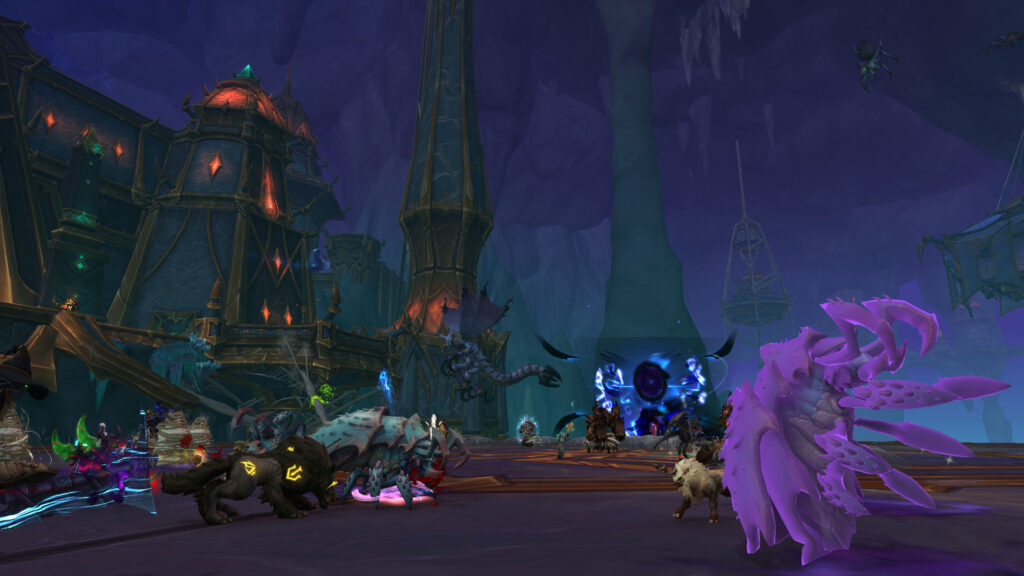
Failure to front-load threat during this burst window frequently results in short-term aggro spikes, forcing DPS to throttle output—reducing overall raid efficiency.
Dual-Target and Split-Phase Aggro Management
Encounters involving boss splits or simultaneous elite adds dramatically increase threat complexity. Tanks must allocate resources carefully between targets while coordinating taunt swaps precisely. Threat drift during swap windows is a primary cause of raid instability.
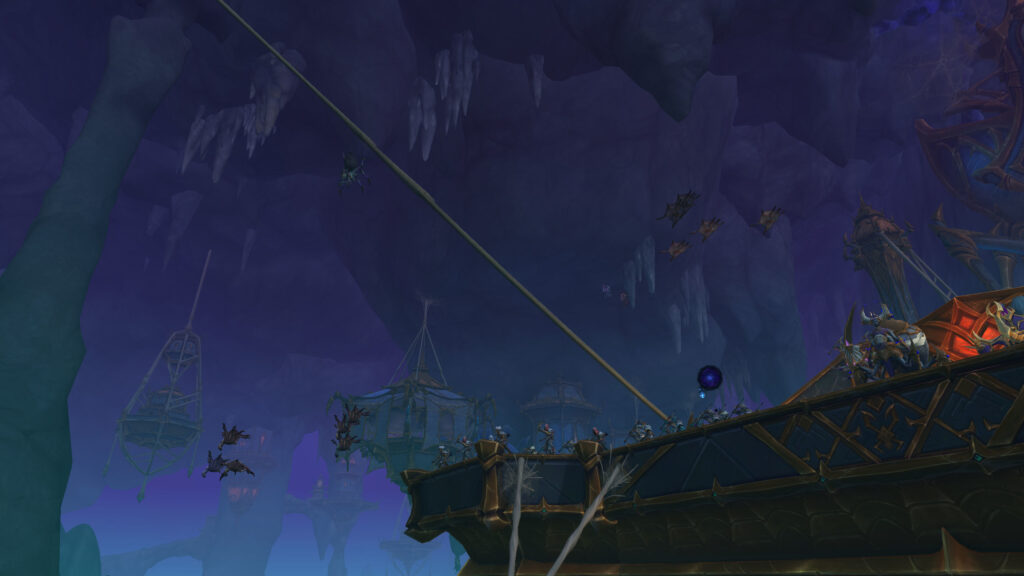
Controlled Containment in split scenarios requires disciplined cooldown layering and continuous multi-target monitoring.
Common Failure Patterns in Add Tanking
- Overcommitting threat to the boss while ignoring fresh spawns.
- Improper facing of frontal-cleave adds into the raid stack.
- Failure to anticipate DPS burst during add waves.
- Dragging adds through the raid while repositioning.
Each of these errors accelerates the transition from structured control to chaotic collapse.
Conclusion
Tanking Add Aggro Management represents one of the most demanding threat disciplines in high-level content. Through spawn anticipation, snap threat control, positional containment, and sustained aggro reinforcement, tanks maintain total battlefield stability.
Mastery of this threat complexity ensures Controlled Containment and smooth add elimination—preventing the destabilizing consequences of Chaotic Group Splitting.