
The Wild Gods of Azeroth—spirits of nature, guardians of life, and echoes of primal creation—have shaped the world far longer than mortals have existed. Their influence stretches from the earliest ages of Azeroth into every modern expansion. Though they vanish and reappear across eras, their voices continue to resonate through sacred groves, storm-clad mountains, shimmering dreams, and even the shadowed halls of the afterlife. In recent times, these ancient powers have begun to stir once more, responding to changes in the natural balance and the rising tide of cosmic conflict.
This article explores how the Wild Gods speak through realms, races, dreams, and disasters—and why their renewed presence may hint at deeper truths hidden beneath Azeroth’s history.
The Wild Gods as Echoes of Azeroth’s First Age
Long before elves, trolls, and humans shaped civilizations, the Wild Gods roamed the surface freely. They were not rulers, but guardians—massive embodiments of natural forces and animal spirits that protected early ecosystems. Some, like Ursoc and Goldrinn, acted as primal warriors. Others, like Aviana and Aessina, served as stewards of the cycles of life. Their early actions established the spiritual framework that druids, shamanistic tribes, and countless mortal cultures later adopted.
Every expansion that touches nature, balance, or primal magic inevitably reconnects with the legacy of these ancient spirits.
Where the Wild Gods Speak
The Wild Gods do not communicate through simple words. Instead, their “voices” echo through natural forces—wind patterns, Dream visions, shifting flora, elemental storms, or even the emotions of nearby creatures. Modern characters often encounter them through rituals, trance states, or dreams influenced by the Emerald Dream. In some cases, the Wild Gods manifest physically, but their spiritual imprint is felt far more often than their actual presence.
This layered communication style reinforces their otherworldly nature, grounding their power in primal storytelling rather than direct exposition.
List: Ways the Wild Gods Influence the Living World
The presence of the Wild Gods appears subtly in nearly every region of Azeroth. Their influence manifests through:
- Dream Echoes: Visions and instincts sparked by connection to the Emerald Dream.
- Beast Behavior: Animals act unusually when ancient spirits awaken.
- Elemental Surges: Fire, storm, and earth react to Wild God interference.
- Natural Rebirth: Forests regrow or shift when guided by spiritual energy.
- Cultural Rituals: Races like trolls and tauren keep ancient traditions alive.
- Magical Resonance: Druidic and shamanistic spells channel Wild God forces.
These subtle interactions anchor ancient power into everyday life, weaving myth into the physical world.
The Loa as Unique Wild Gods
The Loa of the trolls represent one of the most distinctive groups of Wild Gods. Figures like Rezan, Shadra, Pa’ku, and Bwonsamdi embody specific domains—royalty, venom, wind, and death. Though culturally separate from Night Elf and Tauren traditions, they share the same primal essence. Troll history treats the Loa not only as protectors, but as intermediaries between life and spiritual realms.
The Loa highlight how the Wild Gods can express wildly different personalities and philosophies depending on race and region.
The Afterlife Reveals Deeper Truths
Shadowlands unveiled a profound revelation: many Wild Gods rest and regenerate in Ardenweald, undergoing cycles of death and rebirth. This cosmic nurtureground showed that their existence is not eternal—they can weaken, fade, or even be destroyed when cosmic forces strain the spiritual cycle. Ursoc’s sacrifice in Ardenweald stands as one of the most emotional story moments in modern WoW, showing that even primal gods can fall when the balance collapses.
This knowledge reshapes how players understand the stakes of recent expansions. When the Wild Gods stir, it means the cycles of life and death themselves are shifting.
The Emerald Dream as a Conduit for Divine Voices
In Dragonflight, the renewed exploration of the Emerald Dream revealed that the Wild Gods maintain deep, active roots in the Dream’s landscapes. Their presence acts as both guardianship and warning. Shifting Dream portals, awakened groves, and dream-touched wildlife are often signs that a Wild God is watching—or intervening. These visions serve as narrative tools to foreshadow threats or highlight environmental imbalance.
The Dream makes their voices easier to hear, but also reveals how thin the veil between the physical world and the spiritual realms truly is.
Wild Gods in Crisis
Whenever Azeroth faces existential upheaval, the Wild Gods become restless. Massive shifts—like the Shattering, the rise of the Legion, or the spread of void corruption—cause their voices to grow louder and more desperate. This surge is not simply storytelling flavor; it reflects real strain on the cycle of life that the Wild Gods embody. Their agitation often foreshadows future expansions, hinting at rising cosmic threats.
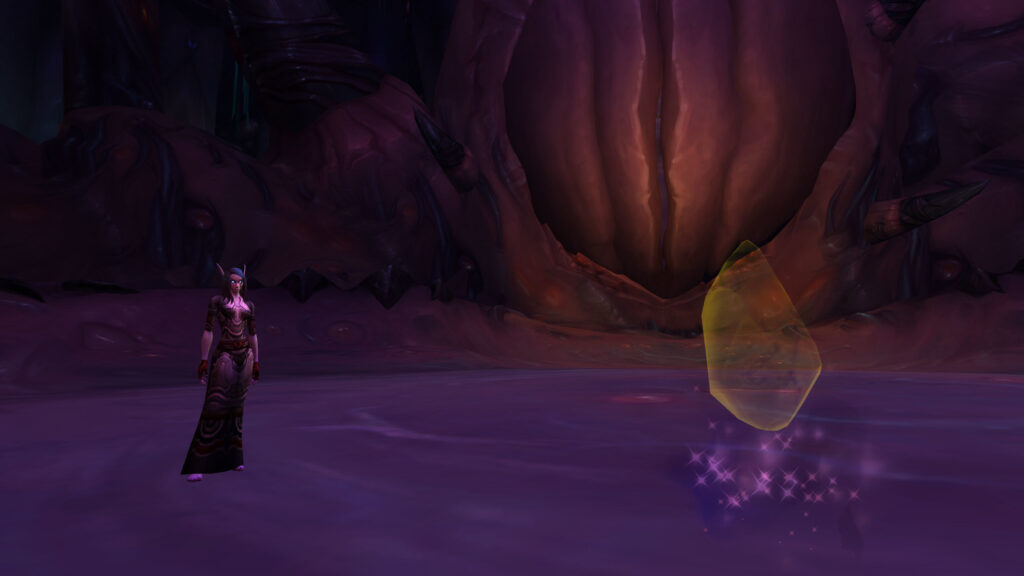
Whenever the ground trembles, forests whisper, or animal spirits behave strangely, players know powerful turning points are coming.
Mortals as Partners and Proxies
Across Azeroth’s history, mortals have served as champions of the Wild Gods. Druids channel their energies directly. Shaman speak to their echoes. Even warriors, hunters, and paladins sometimes act in service of primal spirits. These partnerships create lasting bonds, giving players deeper stakes in spiritual conflicts. Modern stories increasingly position mortals as mediators—those who stabilize the natural world when ancient spirits cannot act alone.
Mortals give the Wild Gods agency within eras of rapid change and new threats.
Why the Wild Gods Are Stirring Again
Recent expansions have awakened primal forces, reshaped lands, and disrupted cosmic alignments. Life energy surges, elemental forces awaken, and old wounds reopen across Azeroth. As a result, the Wild Gods grow restless once more. Their voices appear in dreams, in tremors beneath sacred groves, in storms that crackle with ancient memory. These stirrings are signs that something deeper—something foundational—is changing beneath the surface.
The ancient guardians are awakening because the world itself calls out for protection.
Conclusion
The Wild Gods of Azeroth are more than myth—they are living cornerstones of the world’s balance. Their voices emerge through storms, dreams, memories, and rituals, guiding mortals in times of crisis and celebration. As new forces rise and old powers awaken, the Wild Gods stir once again, reminding players that Azeroth’s heart beats not only through titan machinery or arcane ley lines, but through primal spirits older than recorded history.
Their awakening is not merely symbolic—it is the world speaking through its oldest guardians, urging mortals to listen before the next great upheaval takes hold.